
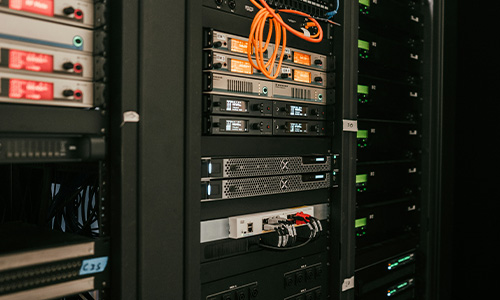
In today’s always-on business environment, protecting servers and network infrastructure from repeated surges is critical. From file servers and virtualization hosts to switches, routers, and storage systems, these devices form the backbone of modern operations. Yet one of the most common threats to their reliability isn’t a catastrophic lightning strike, it’s repeated electrical surges that occur every day.
Understanding how repeated surges affect IT equipment and how to protect against them is essential for maintaining uptime, reducing maintenance costs, and extending the life of critical systems.
The Hidden Risk: Repeated Surges, Not Just Big Ones
When people think about surge protection, they often imagine a single large event. In reality, most damage to servers and network equipment comes from frequent, smaller surges that gradually degrade internal components.
These surges can be caused by:
- Utility grid switching
- HVAC systems cycling on and off
- Elevators and large motors starting
- Backup generator transfers
- Internal electrical faults
- Green energy systems switching on and off
While each event may seem minor, the cumulative effect can lead to intermittent failures, unexplained reboots, network instability, and premature equipment replacement.
Why Servers and Network Equipment Are Especially Vulnerable
Servers and networking hardware contain sensitive power supplies, processors, and communication interfaces that rely on stable, clean electrical power. Even brief disturbances can create problems that are difficult to diagnose.
Common symptoms of surge-related stress include:
- Unexpected server shutdowns or restarts
- Network performance degradation
- Corrupted data or storage errors
- Thermal fatigue
- Shortened power supply lifespan
- Increased maintenance and downtime
- Hardware failures without obvious cause
For organizations running virtualized environments, cloud-connected services, or remote access systems, these disruptions can quickly escalate into business interruptions.
The Problem with Conventional Surge Protectors
Most conventional surge protectors use metal oxide varistors (MOVs) to handle surges. Because MOV are sacrificial components, each surge slightly damages the protection element until it eventually fails.
In many cases, this failure happens silently.
The surge protector may continue to supply power while no longer providing protection, leaving servers and network equipment exposed without warning. In environments with frequent electrical disturbances, this can lead to repeated replacement cycles and unpredictable reliability.
A Better Approach: Protection That Handles Repeated Surges
For critical IT infrastructure, surge protection should be designed to withstand repeated events without degradation. This is especially important in environments such as:
- Data centers
- Server rooms and network closets
- Healthcare facilities
- Schools and universities
- Manufacturing facilities
- Government and public safety operations
- Managed service provider (MSP) deployments
Series mode surge protection technology is engineered to manage repeated surges without relying on sacrificial components. It continuously protects connected equipment while maintaining consistent performance over time.
Best Practices for Protecting Servers and Network Equipment
Effective surge protection is part of a broader reliability strategy. Organizations responsible for critical infrastructure should consider the following steps:
- Protect at the Point of Use
Install surge protection directly at server racks, network cabinets, and critical equipment locations. This ensures sensitive devices receive protection exactly where it is needed. Relying on upstream protection alone (whole building surge protection), you’re exposing the equipment to surges inside the building.
- Choose Protection Designed for Continuous Operation
Look for non-MOV solutions specifically built for 24/7 environments and repeated surge conditions.
- Include All Critical Components
Protect not only servers, but also:
- Network switches
- Firewalls and routers
- Storage arrays
- Dashboard displays/digital signage
- VoIP systems
- Wireless controllers
- Backup and monitoring systems
A single unprotected device can become the weak link in the system.
- Standardize Protection Across Sites
For organizations with multiple locations, using the same protection strategy across facilities simplifies maintenance and improves reliability.
- Plan for Long-Term Reliability
Surge protection should be viewed as infrastructure, not a disposable accessory.
The Cost of Downtime vs. the Cost of Protection
Unplanned downtime can be expensive. Lost productivity, emergency service calls, data recovery, and equipment replacement costs often far exceed the investment in reliable surge protection.
For many organizations, the real value of surge protection is not just preventing damage—it is ensuring continuity of operations.
Reliable Power Protection for Always-On Infrastructure
Servers and network equipment are designed to run continuously, but they depend on stable electrical power to do so. Repeated surges are an unavoidable reality in modern electrical environments, making dependable protection essential for maintaining uptime and protecting technology investments.
By implementing surge protection designed to withstand repeated events, organizations can reduce risk, improve reliability, and extend the life of their critical IT infrastructure.