
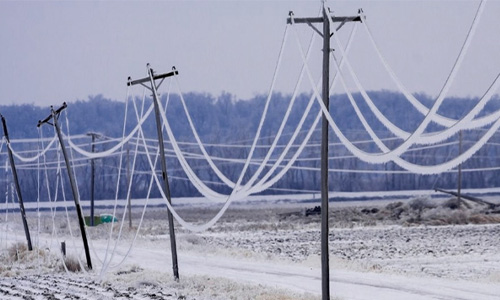
We’ve all been there: the power goes out, the house falls silent, and you’re left waiting for the hum of the refrigerator or the glow of the porch light to return.
When the power finally flickers back on, the natural instinct is to celebrate. However, for your sensitive electronics, the moment the power is restored is actually the most dangerous time. “Dirty power” and unpredictable power spikes often accompany the restoration of the grid. If you aren’t prepared, the very moment you get your power back could be the moment you lose your expensive AV gear, appliances, or computer systems.
Here is how to power up safely and why your choice of surge protection makes all the difference.
- Unplug During the Outage
If the power goes out, don’t just sit in the dark—get to work. Unplug your most sensitive devices: computers, gaming consoles, and flat screen TVs. When the utility company restores power to your neighborhood, the initial “surge” can be significantly higher than the standard 120V your devices expect. By unplugging, you create a physical gap that a surge cannot cross.
- Use a “Staggered” Restart
Once the power is back on, resist the urge to flip every switch immediately. Large appliances like air conditioners, well pumps, and refrigerators put a massive “draw” on your electrical system when they cycle back on. To prevent tripping breakers or causing internal voltage sags, wait a few minutes for the grid to stabilize before plugging in your electronics.
- Check for “Ghost” Issues
After restoration, check your GFCI outlets (the ones with “test” and “reset” buttons) and your circuit breaker panel. Surges often trip these safety mechanisms. If a device isn’t working, don’t assume it’s fried—check the breaker first.
The Hidden Danger: The “Sacrificial” Problem
Most people think they are safe because they have a standard surge protector. Most retail surge protectors, however, use MOVs (Metal Oxide Varistors).
MOVs are “sacrificial.” They work by shunting surges to the ground wire, wearing out a little bit every time they encounter a surge. The problem? After a major power restoration, your surge protector might still be providing electricity, but its “protection” is likely gone, leaving your gear vulnerable to the next spike.
How Zero Surge Series Mode Protection Is Different
Zero Surge doesn’t use sacrificial components. We utilize Series Mode technology, which offers a completely different, superior way to handle surges:
- No Shunting to Ground: Unlike standard protectors, Zero Surge does not dump surge energy onto the ground wire, preventing ground wire contamination.
- Total Energy Suppression: Our technology captures the surge energy, slows it down, stores it in a series of capacitors, then slowly releases it safely to the neutral wire. It handles all three components of a surge – voltage rise, in-rush current, and surge duration.
- In-rush circuit protection: When power is restored anything still connected to power will experience an in-rush current. MOVs cannot handle this. They must reach a peak voltage before the MOVs begin working. At that point, damage from the in-rush current has already occurred. Series Mode Filter Technology prevents damage from that initial wave of power after a restore event.
- Non-Sacrificial Reliability: Zero Surge units are designed to withstand repeated, worst-case surges (like those experienced during grid failures) without wearing out. You don’t have to wonder if your protector still works after the lights come back on—you know it does.
- No Fire Risk: Because MOVs can overheat and even catch fire when they fail during a massive surge, they are a liability. Zero Surge filter technology eliminates the fire risk associated with traditional surge protectors.
The Bottom Line
A power outage can be a major inconvenience, but the power restoration shouldn’t be a catastrophe. By following a few simple steps and investing in Zero Surge Series Mode protection, you can ensure that when the lights come back on, your electronics stay on.
Protect your investment. Explore our Series Mode Surge Protectors today.